
Volatility is the price of an asset class compounding near 36.5% a year — it's managed, not avoided. The core is concentrated in Bitcoin and Ethereum (the most liquid, most institutional assets in the space), risk-budgeted to your tolerance, rebalanced through drawdowns and hedged when positioning gets crowded. The mining sleeve adds a productive, infrastructure-backed return stream that doesn't move tick-for-tick with spot price.
- Mon - Fri: 9.00 am - 5.00 pm
Blockchain
Blockchain
From Speculation to Infrastructure
Blockchain is crossing the line from speculative asset to financial infrastructure. The technology market is on track to expand from roughly $48 billion in 2024 to about $577 billion by 2034 — a compound annual growth rate near 36.5% — while decentralised finance alone is forecast to grow from $108 billion to $695 billion over the same horizon. This isn't a coin trade; it's the buildout of a new settlement layer.
Extended Investment doesn't chase tokens. We hold a concentrated Bitcoin and Ethereum core, manage it actively through the cycle, and pair it with productive infrastructure — a wind-powered Bitcoin mining sleeve that turns the network's energy demand into a yield-bearing asset. Conviction in the protocols that matter, not exposure to everything that trades.
Strategy at a Glance
- Market (2024) $48B
- Forecast (2034) $577B
- Monthly Returns 10-15%
- DeFi growth $108B→$695B
- Focus BTC/ETH + Active
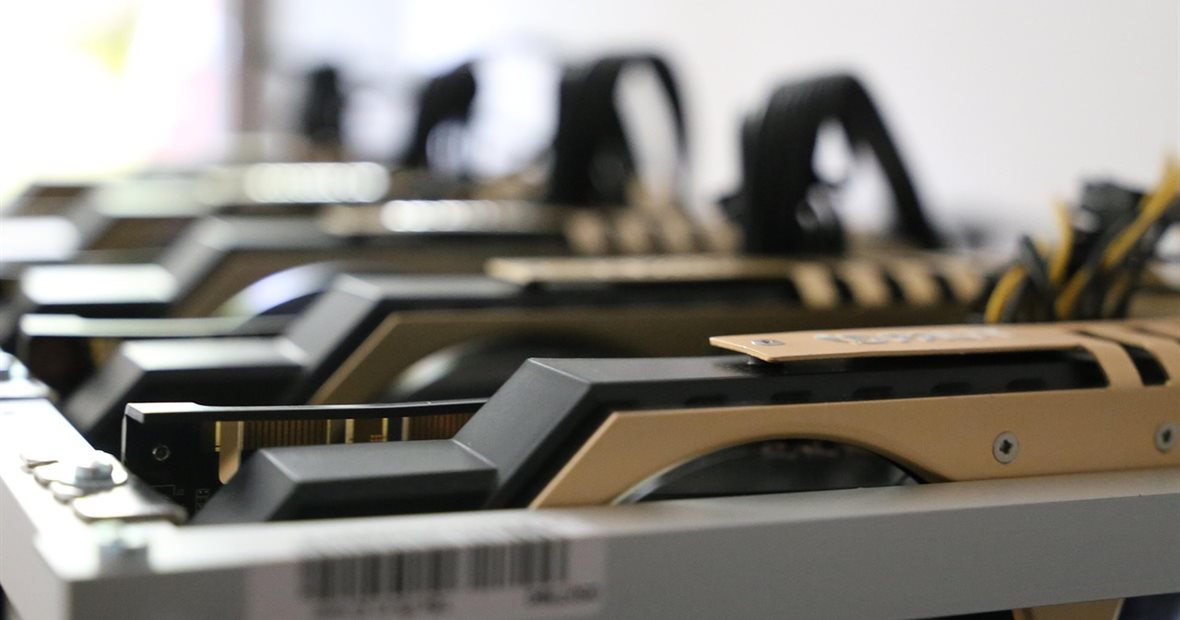
Blockchain has matured from speculation into infrastructure. We own the protocols that became the plumbing — and skip the noise.
How We Invest — Core, Active, Productive, Private
We don't spread capital across thousands of tokens. We hold four conviction sleeves — a digital-asset core, active management around it, productive mining infrastructure that earns its keep, and selective private placements in the ventures building the next layer.
01
BTC/ETH Core
The two protocols with real network effect. Bitcoin is the hardest digital money and an institutional reserve asset; Ethereum is the settlement layer for tokenisation and the $108B-and-growing DeFi economy. We hold a concentrated core in both rather than diluting conviction across long-tail tokens that share neither liquidity nor durability.
02
Active Management
Digital assets are volatile by nature, so the core is actively managed — risk-budgeted to your tolerance, rebalanced through drawdowns, and hedged when positioning gets crowded. We treat volatility as a feature to be managed, not a reason to avoid an asset class compounding at ~36.5% a year.
03
Productive Mining
Wind-powered Bitcoin mining turns the network's energy demand into a yield-bearing, infrastructure-backed asset. Renewable power lowers the cost base and the carbon profile, so the mining sleeve produces Bitcoin rather than simply buying it.
04
Private Placement
Selective pre-public exposure to the ventures building the next layer of the ecosystem — settlement infrastructure, tokenisation rails and institutional-grade venues. Private placements are sized carefully and reserved for qualifying mandates, adding early-stage upside the liquid core can't reach.

Why Now — Adoption Has Gone Institutional
The speculative phase is over. The data points one way: capital, regulation and infrastructure are converging on blockchain as financial plumbing.
- 10–15% monthly returns — $48B (2024) toward $577B by 2034
- DeFi forecast to grow from $108B to $695B over the same horizon
- BTC & ETH now held through spot ETFs and corporate treasuries
- Renewable mining turns energy demand into productive yield
Allocator
Questions
Questions
The questions institutional allocators ask us most about this strategy.
-
01 Isn't this just too volatile?
-
02 How are the assets custodied and secured?Holdings sit with regulated, institutional-grade qualified custodians using cold storage, multi-signature controls and segregated accounts — never on a single exchange or a hot wallet. The mining infrastructure is held through the operating partnership. Security and chain-of-custody are reviewed continuously, and the arrangement is built to satisfy institutional due diligence rather than retail convenience.
-
03 How is this different from just buying a coin or an ETF?A spot ETF gives you passive, unmanaged price exposure to a single coin. We hold an actively managed BTC/ETH core and pair it with something an ETF can't — wind-powered Bitcoin mining that produces the asset rather than simply tracking it. You get conviction positioning, active risk management and a productive infrastructure sleeve, all sized to your mandate.
-
04 Are these figures sourced?Yes. The blockchain market-size and ~36.5% CAGR figures follow Expert Market Research's published forecast, and the DeFi $108B→$695B trajectory follows Fortune Business Insights. Every figure we cite is verifiable — the full list lives on our Sources & Methodology page.
Figures: blockchain market size & CAGR — Expert Market Research; DeFi market growth — Fortune Business Insights. See Sources & Methodology.
-
Previous strategy
-
Next strategy

Blockchain Stopped Being a Bet. It Became Infrastructure.
Forecast
%
blockchain market CAGR through 2034