
Farmland is a long-hold asset, and we treat it as one — a multi-year holding period is part of the thesis, not a flaw in it. That patience is precisely what earns the inflation-hedge and income characteristics; the land has compounded to a record $4,350 per acre across five straight years. We pair the slow, hard-asset sleeve with liquid agritech exposure so the overall mandate isn't locked end to end.
- Mon - Fri: 9.00 am - 5.00 pm
Agriculture
Agriculture
The Oldest Asset Class, the Most Overlooked Hedge
Farmland is the original store of wealth, and it is quietly setting records: the US average reached $4,350 per acre in 2025, an all-time high and a fifth straight annual increase. Layered on top of that hard asset is a technology wave — the global agritech market is on track from $34.6 billion in 2025 to about $38.6 billion in 2026, compounding near 11.5% a year.
Extended Investment doesn't buy the whole commodity complex. We concentrate where the structural demand is strongest — income-producing farmland as an inflation hedge, precision-agriculture technology, and Asia-Pacific exposure, the fastest-growing region at roughly 27.5% CAGR. The world has to eat, and it has to grow more food on the same land.
Strategy at a Glance
- Agritech market (2026) $38.6B
- CAGR 35%
- US farmland $4,350/acre
- APAC growth 27.5% CAGR
- Focus Farmland + Agritech
- Linked mandate $4,350/acre
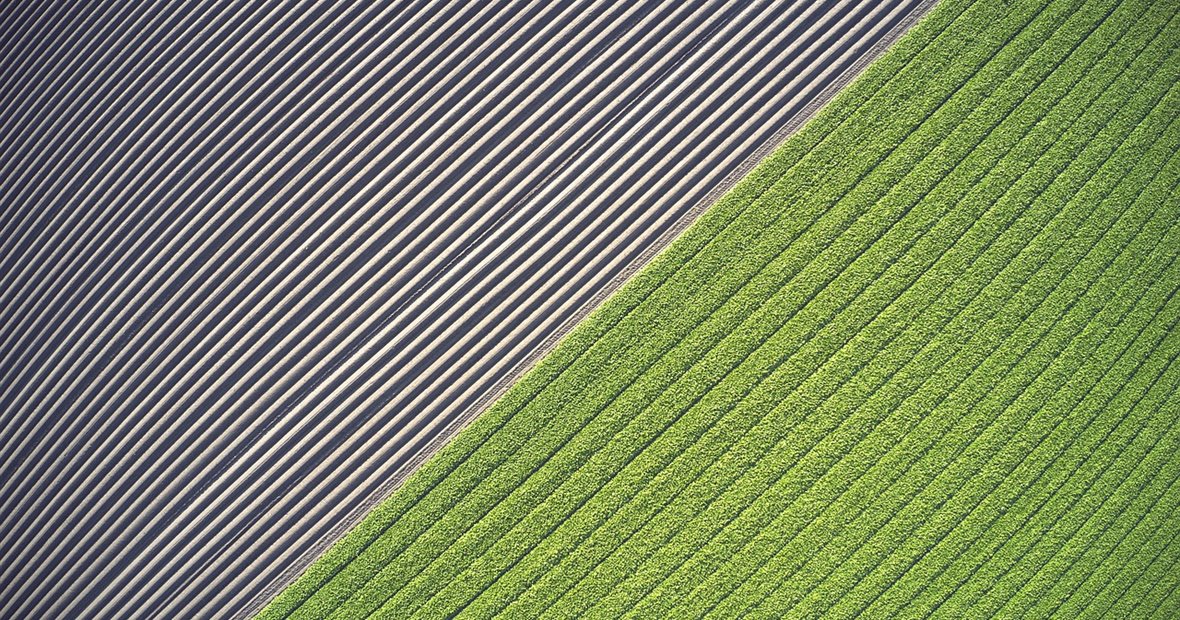
Agriculture is the oldest asset class on earth — and the most overlooked inflation hedge in a modern portfolio.
How We Invest — Three Roots of Return
We don't spread capital across the whole commodity complex. We hold three conviction sleeves where the structural demand — for hard assets, for yield-per-acre, and for food security — is strongest.
01
Hard-Asset Farmland
The foundation. Productive farmland is a durable, income-producing real asset that has historically moved with — not against — inflation, making it one of the few uncorrelated hedges available to a portfolio. US values set a record at $4,350 per acre in 2025, a fifth straight annual gain, and the land base only shrinks while the world it feeds keeps growing.
02
Precision Agriculture
The yield multiplier. Sensors, autonomy, drones and data turn the same acre into more output — the agritech market is on track from ~$34.6B to ~$38.6B in 2026 and compounding near 11.5% a year. We hold the technology layer that lets farmland produce more without expanding its footprint.
03
Asia-Pacific Exposure
The growth engine. Asia-Pacific is the fastest-growing agritech region, expanding at roughly 27.5% CAGR as rising incomes, population and food-security policy pull capital into the sector. We weight exposure toward where the demand curve is steepest, not where it is most mature.
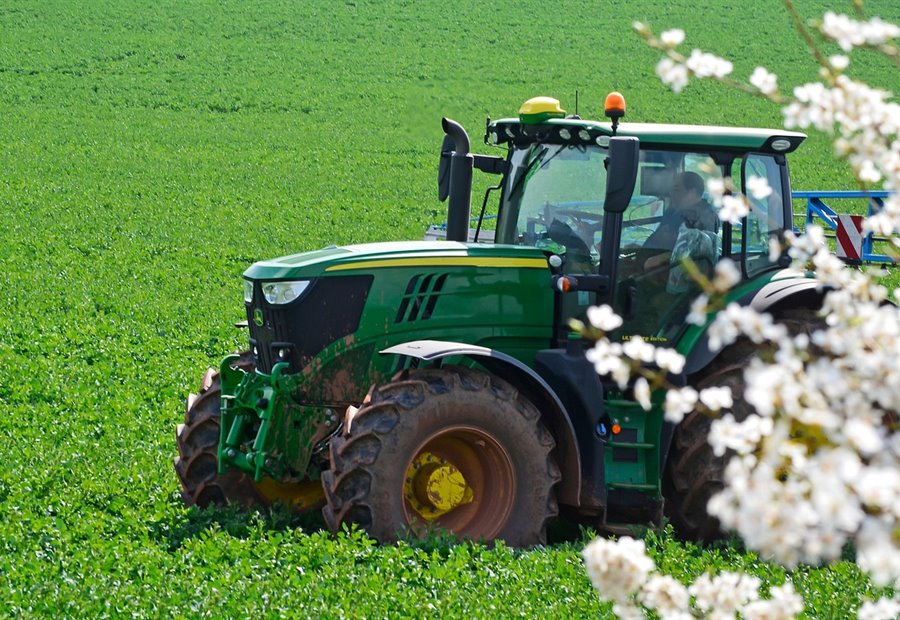
Why Now — Land, Tech and Food Security
Four forces are converging on the same acre: record land values, a technology wave, the fastest-growing region in Asia, and a structural bid for hard assets.
- US farmland at a record $4,350/acre in 2025 — a fifth straight annual gain
- Agritech on track to ~$38.6B in 2026, compounding near ~11.5% a year
- Asia-Pacific the fastest-growing region at ~27.5% CAGR
- Inflation-hedge and food-security demand for a finite land base
$4,350/acre
In practice — US Farmland Record
The record US farmland valuation that anchors this strategy's hard-asset sleeve — a fifth straight annual high for the land that feeds the world. Talk to our team →
Allocator
Questions
Questions
The questions institutional allocators ask us most about this strategy.
-
01 Isn't farmland illiquid?
-
02 How do allocators access it?Through a separately managed mandate sized to your allocation, or as one pillar of a multi-sector portfolio. We blend direct and fund-held farmland with listed precision-agriculture and Asia-Pacific exposure, each sleeve risk-budgeted to your tolerance and actively managed, so the allocation tracks the thesis rather than a broad commodity index.
-
03 Why now — what's the catalyst?Two structural forces and one cyclical one. Structurally, a finite land base has to feed a growing world, and precision-agriculture technology is compounding near 11.5% a year to raise yield per acre. Cyclically, persistent inflation and food-security policy have created a durable bid for hard real assets — and farmland is the original one, now at record value.
-
04 Are these figures sourced?Yes. The $4,350-per-acre farmland value is the USDA's 2025 land-values figure, and the agritech market size and ~11.5% CAGR follow published industry research (The Business Research Company). Every figure we cite is verifiable — the full list lives on our Sources & Methodology page.
Figures: US farmland value — USDA (2025 Land Values); agritech market size & CAGR — The Business Research Company. See Sources & Methodology.
-
Previous strategy
-
Next strategy

The World Has to Eat — and Grow More on the Same Land.
Forecast
%
Agritech market CAGR